THE GLOW
Fluorescence, not magic
Quinine absorbs ultraviolet light and releases visible blue light as it returns to its normal state, even though only a little is dissolved.
Check a label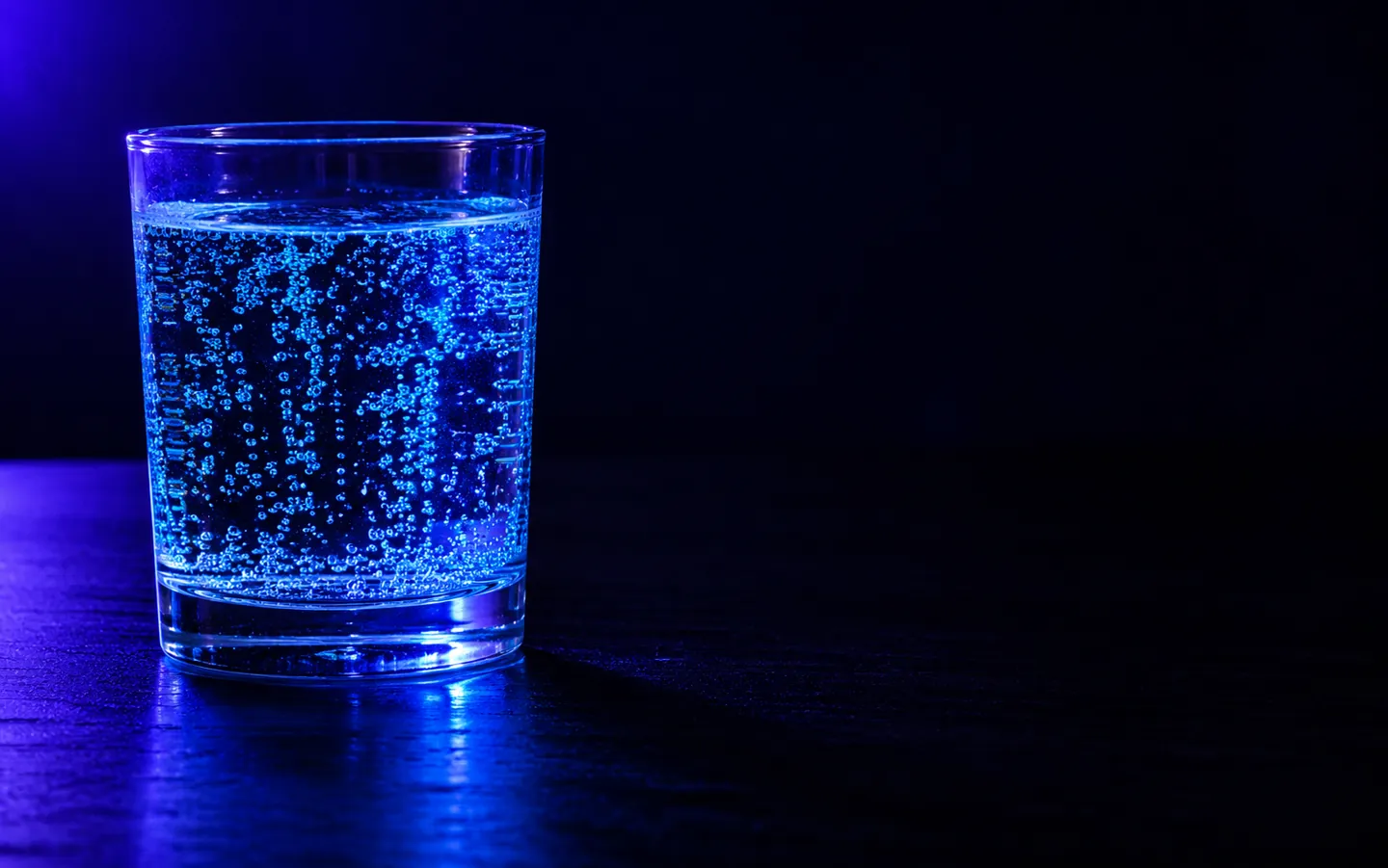
THE SCIENCE OF A MIXER
QUININE absorbs UV, glows blue
AI-generated image, not a photograph of a real person or place.
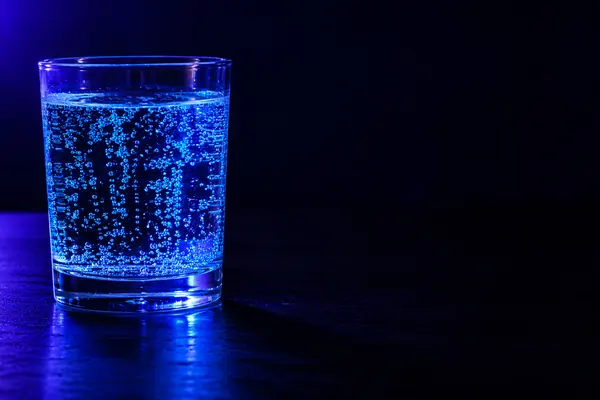
Under a black light, a glass of tonic turns a vivid blue.
The glow comes from quinine, the bitter ingredient that gives tonic its taste. It absorbs ultraviolet light we cannot see and gives back visible blue light, a process called fluorescence.
THE SHORT ANSWER
Quinine is why tonic is bitter,
and why it lights up under UV.
THE GLOW
Quinine absorbs ultraviolet light and releases visible blue light as it returns to its normal state, even though only a little is dissolved.
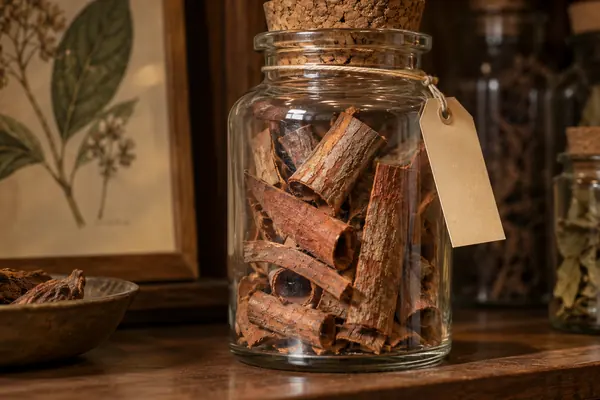
Check a labelTHE BARK
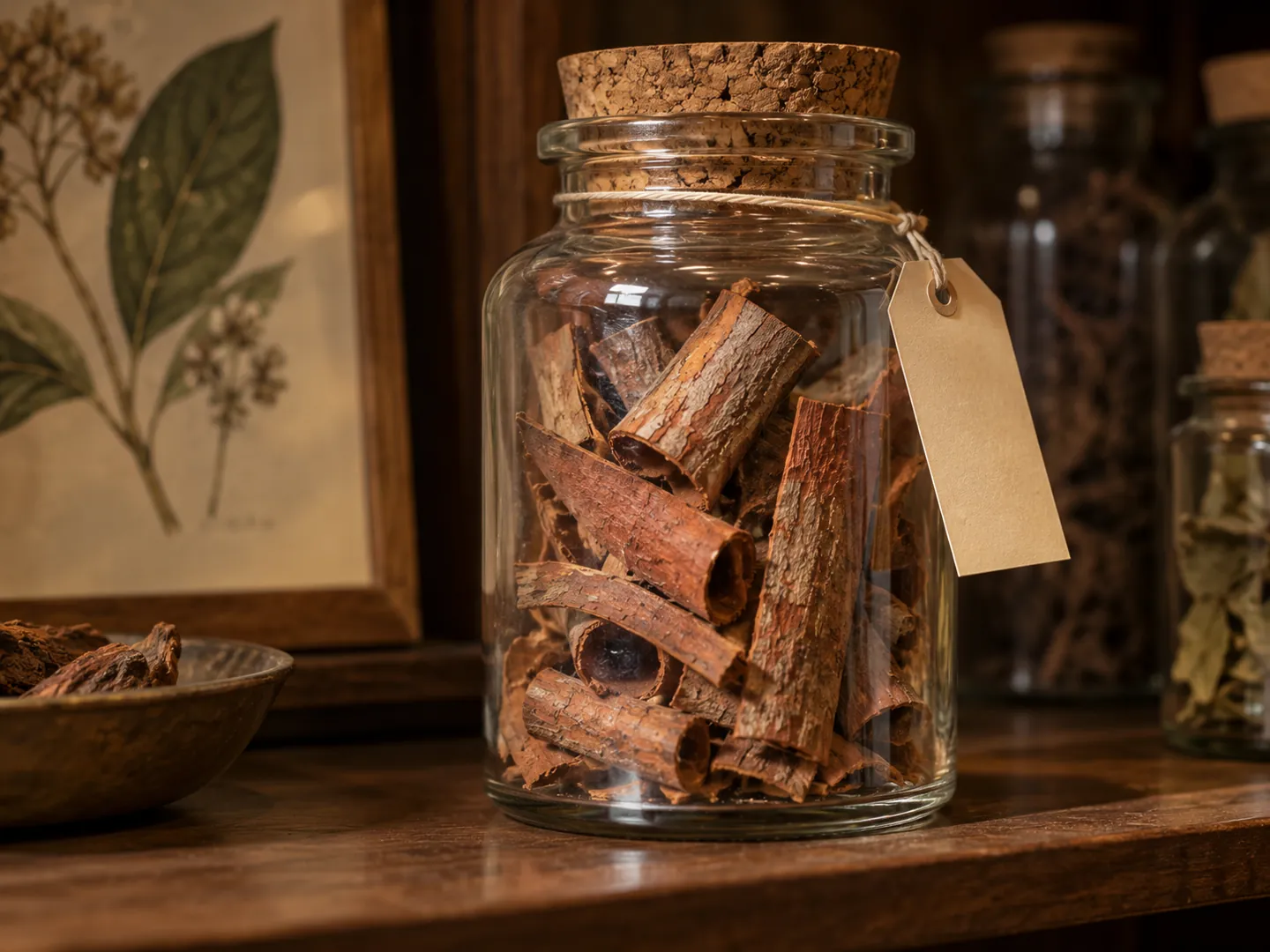
Quinine was first extracted from the bark of cinchona trees native to South America, and was used for centuries against malaria.
The historyTHE DRINK
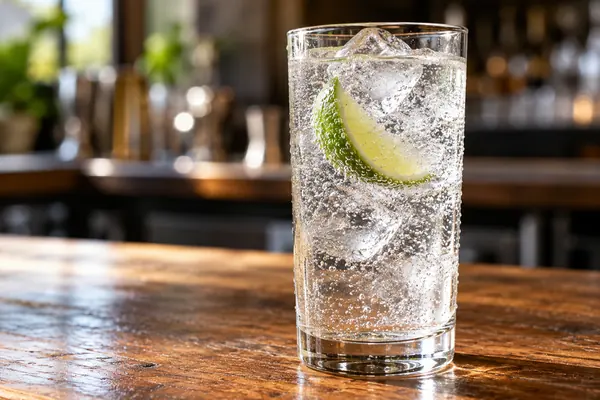
Quinine's bitterness is why tonic drinks were developed, and why bottled tonic today is sweetened to balance it.
See the numbers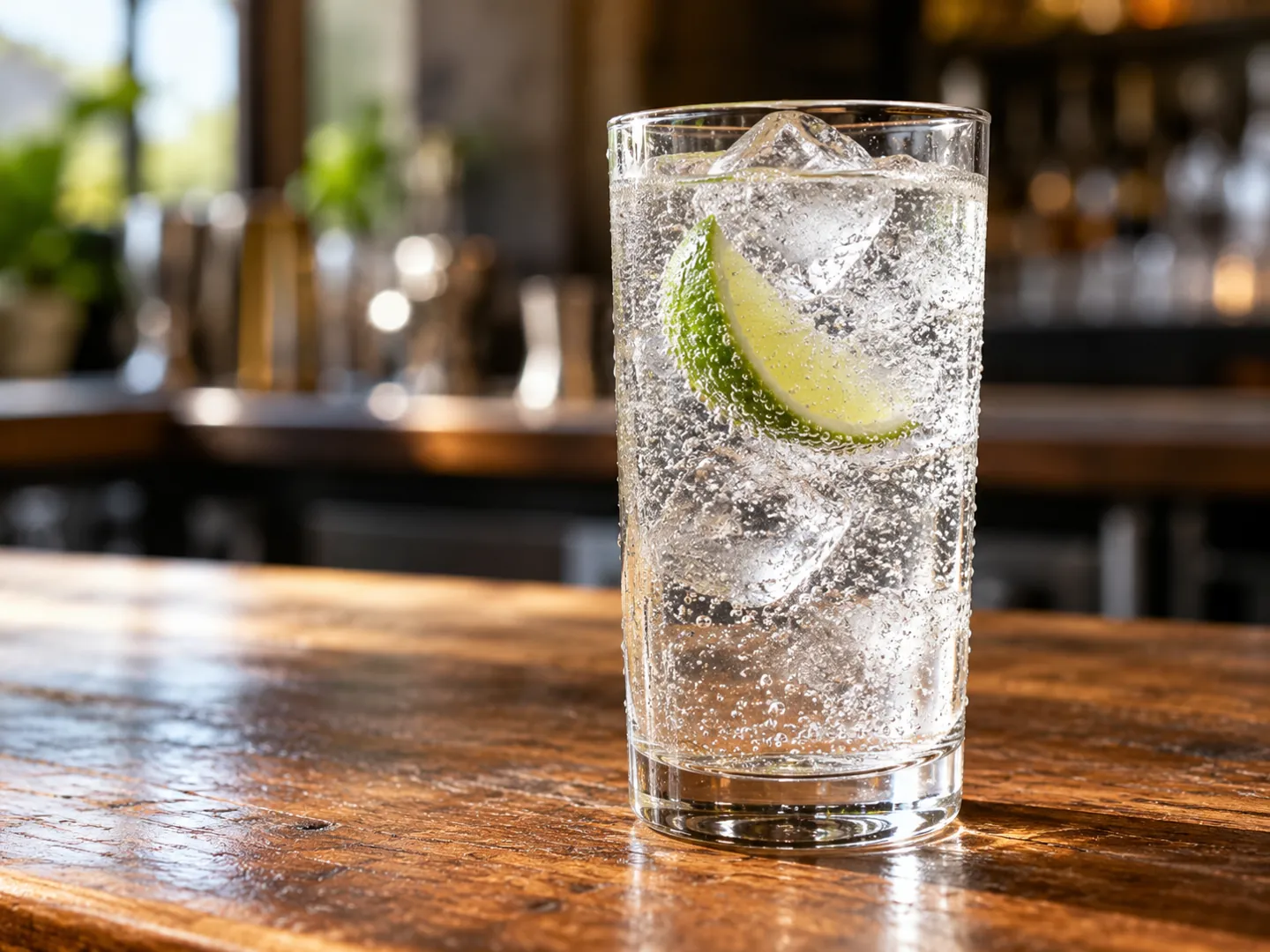
SEE IT FOR YOURSELF
Science educators use tonic water to show ultraviolet light, which we cannot see, at work.
Pour tonic water into a clear glass or cup and set it in front of a black light in a dim room.
The lamp gives out ultraviolet rather than visible light, so it looks dim to us, but the tonic glows bright blue.
In one classroom version, a few drops of bleach are mixed in. Bleach breaks the bonds where quinine absorbs UV, and the glow stops. Handle bleach with care and keep it away from drinks.
TWO NUMBERS WORTH KNOWING
One date for the cocktail,
one figure from Kew's collections.
1865
First known reference to gin and tonic as a bar cocktail
From research by Kew's Kim Walker and Mark Nesbitt, who found many popular tonic stories contradictory.
HISTORY · JUST THE TONIC (KEW)
≈ 1,000 barks
Cinchona bark specimens in Kew's Economic Botany Collection
Alongside about a thousand pressed cinchona plants in the Herbarium, used to study the 19th-century move of the trees to Asia.
COLLECTIONS · KEW
Sources: Botany One review of Just the Tonic (Kew Publishing, 2019); Mark Nesbitt, Kew curator, on the book's research.
A QUICK LABEL CHECK
UK food labelling rules treat some flavourings differently. Pick an ingredient to see how specifically it must be named. The bar shows how specific the rule is.
Based on retained Regulation (EU) No 1169/2011 on food information to consumers, Annexes III and VII, as published on legislation.gov.uk.
BARK TO BOTTLE
Quinine is an alkaloid from the bark of cinchona trees, native to South America and long used against malaria. In the 19th century cinchona trees were moved from South America to plantations in Asia, with big effects on health, livelihoods and landscapes.
Carbonated water was developed by Joseph Priestley in the later 18th century, and pairing it with quinine gave tonic water. Kew's researchers note that the familiar story of gin and tonic being invented in India to make a dose of quinine palatable is one they doubted.
In conversation
Quinine absorbs the ultraviolet light from the lamp, becomes excited, and releases visible blue light as it returns to its normal state. This is fluorescence.
It is an alkaloid originally extracted from the bark of cinchona trees, which are native to South America. It was used for centuries as a treatment for malaria.
Quinine is very bitter. Today's bottled tonic adds sweeteners to offset that bitterness.
Yes. Under UK food labelling rules, quinine used as a flavouring must be named in the ingredients list immediately after the word 'flavouring' or 'flavourings'.
That is the usual story, but Kew researchers Kim Walker and Mark Nesbitt had doubts about it. They found the first known reference to gin and tonic as a bar cocktail dates from 1865.
Each figure on this page comes from the sources below.
ABOUT THIS NAME
remotemixers.com is part of the DoodleSale portfolio. It isn't in an auction right now, but you can ask about leasing it.